Mold Abatement in Bergen County, NJ
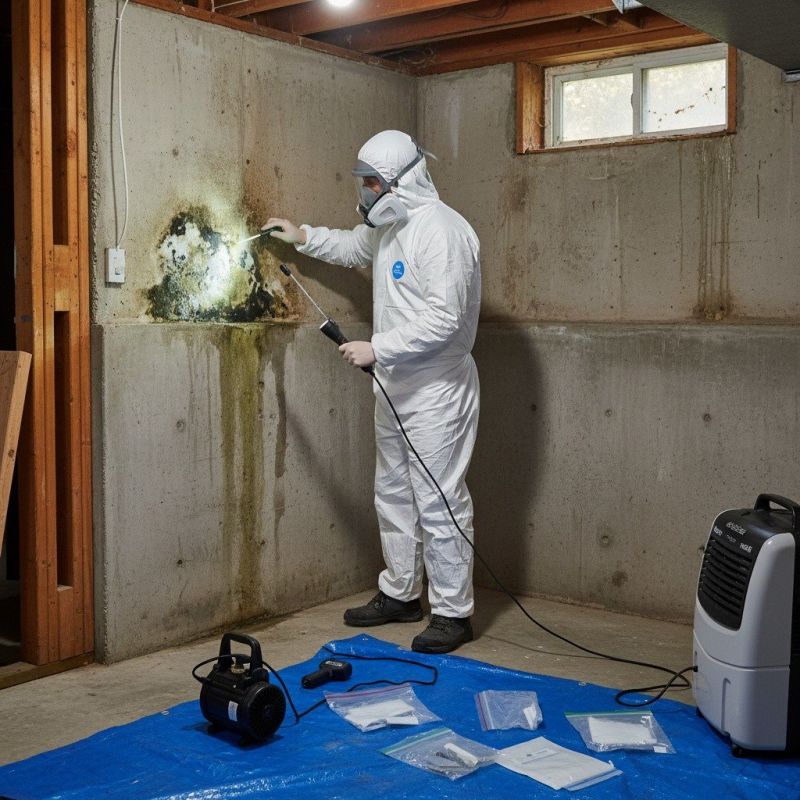
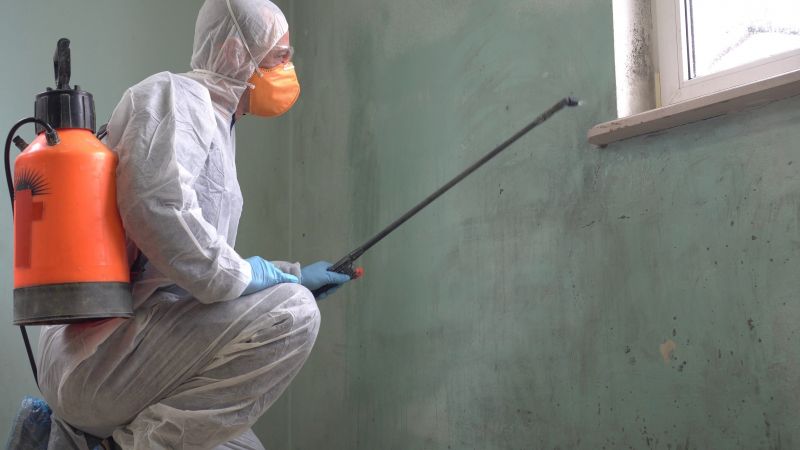
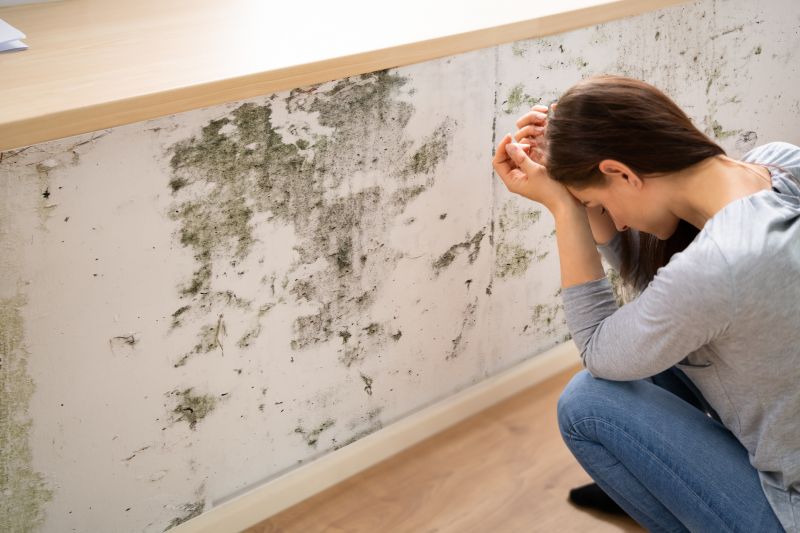
Mold abatement services involve the removal and cleanup of mold growth from indoor spaces to improve air quality and protect property integrity. These services typically cover areas such as basements, crawl spaces, bathrooms, and other moisture-prone locations where mold is likely to develop. Property owners often request mold abatement after noticing visible mold, musty odors, or health concerns related to mold exposure. Understanding the extent of mold growth and the source of moisture that contributed to its development is essential before initiating abatement, as addressing underlying issues helps prevent future growth.
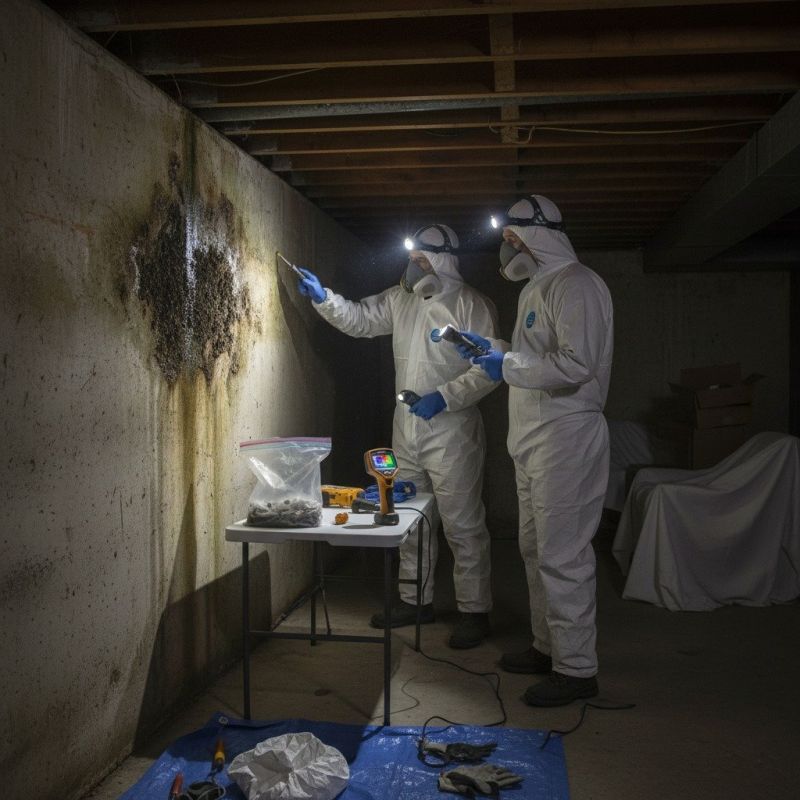
Before seeking mold abatement, homeowners should consider the size and scope of the affected area, as well as any underlying water or humidity problems. It is also helpful to know whether the mold growth is confined to a specific area or widespread throughout the property. Proper assessment and planning can ensure that the removal process is thorough and effective, reducing the risk of mold returning and safeguarding the health of occupants. Contacting a professional for an inspection can provide clarity on the necessary steps to restore a safe and healthy indoor environment.
Many property owners in Bergen County, NJ look into Mold Abatement for repairs, replacements, upgrades, and appearance-related improvements.
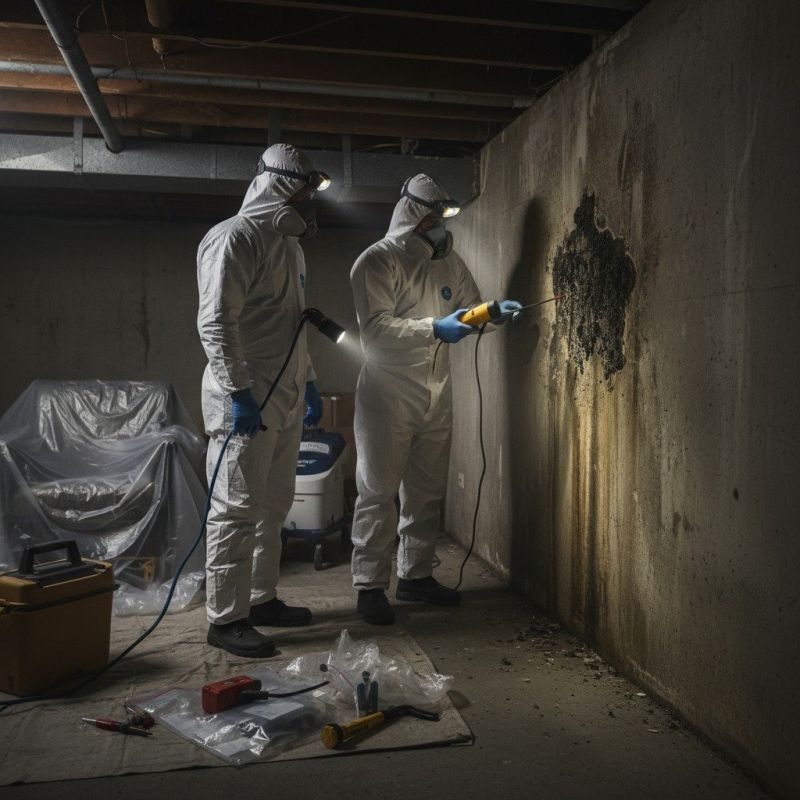
Mold Remediation For Homes
Effective mold abatement helps restore indoor air quality and protects property value.
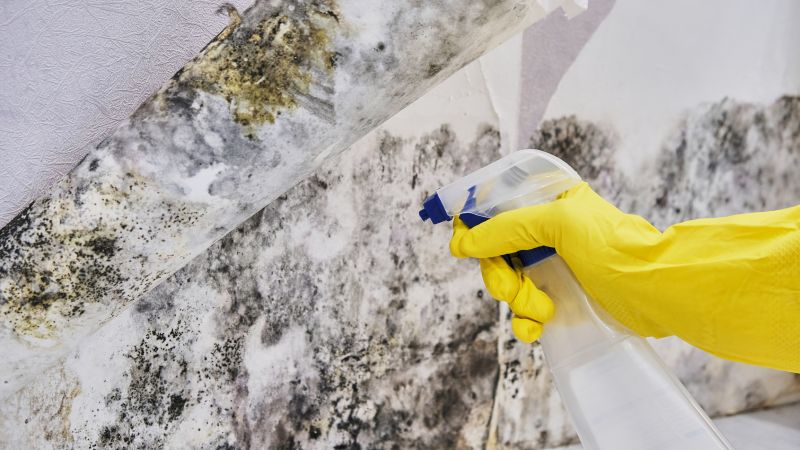
Mold Removal In Commercial Spaces
Professional mold abatement ensures a safe environment for employees and visitors.
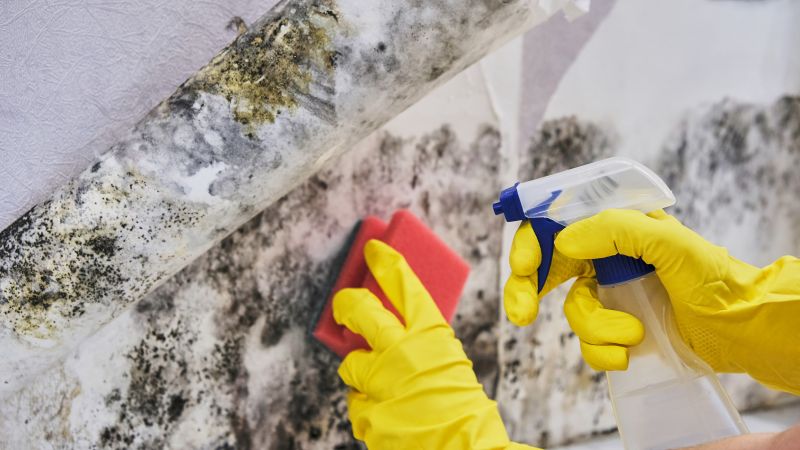
Preventative Mold Solutions
Addressing moisture issues and mold sources can prevent future growth in bergen county properties.
Mold Abatement in Bergen County, NJ
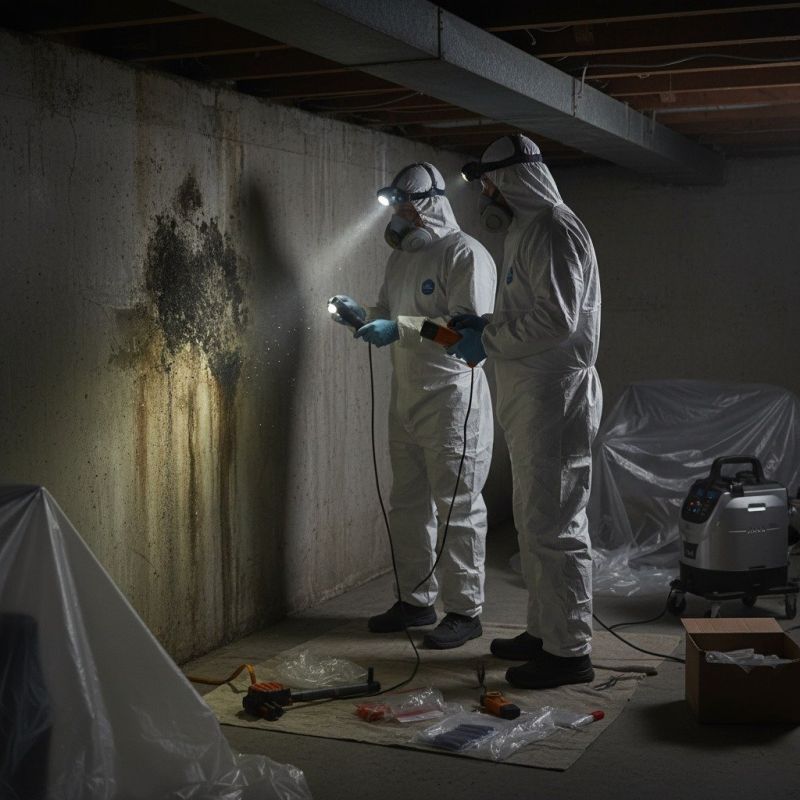
Mold abatement services involve the removal and cleanup of mold growth from indoor spaces to improve air quality and protect property integrity. These services typically cover areas such as basements, crawl spaces, bathrooms, and other moisture-prone locations where mold is likely to develop. Property owners often request mold abatement after noticing visible mold, musty odors, or health concerns related to mold exposure. Understanding the extent of mold growth and the source of moisture that contributed to its development is essential before initiating abatement, as addressing underlying issues helps prevent future growth.
Before seeking mold abatement, homeowners should consider the size and scope of the affected area, as well as any underlying water or humidity problems. It is also helpful to know whether the mold growth is confined to a specific area or widespread throughout the property. Proper assessment and planning can ensure that the removal process is thorough and effective, reducing the risk of mold returning and safeguarding the health of occupants. Contacting a professional for an inspection can provide clarity on the necessary steps to restore a safe and healthy indoor environment.
Many property owners in Bergen County, NJ look into Mold Abatement for repairs, replacements, upgrades, and appearance-related improvements.
Common Mold Abatement Jobs
Mold Remediation - removal of mold growth from affected areas to improve indoor air quality.
Water Damage Cleanup - addressing moisture issues that can lead to mold development in homes.
Mold Inspection - identifying hidden mold sources behind walls, ceilings, and other surfaces.
Air Quality Testing - assessing indoor air for mold spores and other airborne contaminants.
Leak Repair - fixing plumbing or roof leaks that contribute to mold growth.
Moisture Control - implementing measures to reduce humidity and prevent future mold problems.
Mold Abatement Questions
What is mold abatement? Mold abatement involves removing mold growth from indoor spaces and preventing future contamination to improve indoor air quality.
When is mold abatement necessary? Mold abatement is recommended when visible mold is present or when a property has a musty odor, indicating possible hidden mold growth.
What areas are typically involved in mold abatement? Common areas include basements, bathrooms, attics, and areas affected by water damage or high humidity.
How can property owners prevent mold growth? Controlling moisture levels, fixing leaks promptly, and ensuring proper ventilation are key steps to prevent mold development.
Request Mold Abatement in Bergen County, NJ
Use the quote form on this page to share the basics of your project and request more information for the type of work you need.